Business
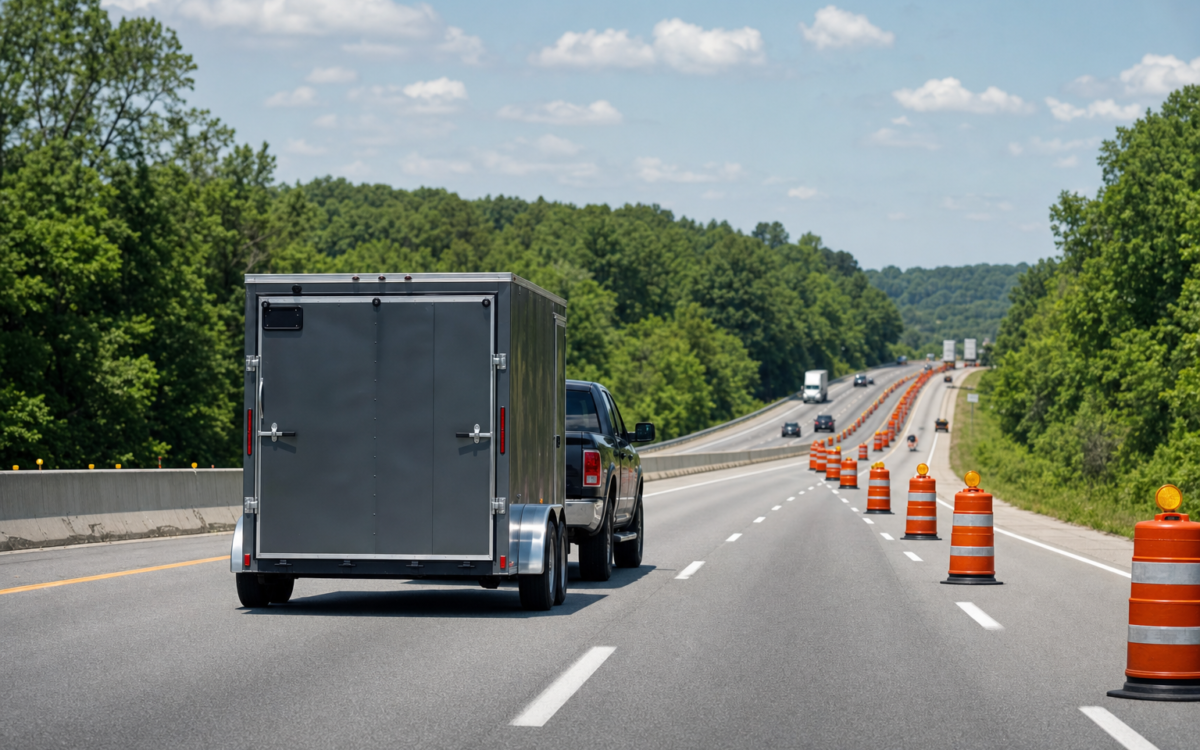
Driving through Virginia’s work zones presents unique challenges, especially for those towing trailers. Whether you’re hauling a utility, cargo, equipment, boat, or travel trailer, understanding how to navigate these zones safely is crucial. The combination of narrow lanes, unexpected traffic pattern changes, and the presence of construction workers requires heightened awareness and preparation. By utilizing resources like 511 Virginia and following guidance from the Virginia Department of Transportation (VDOT), drivers can ensure a safer journey.
Check 511 Virginia Before Departure
Before hitting the road, it’s essential to check 511 Virginia for real-time updates on traffic conditions and work zones. This tool provides valuable information on lane closures, detours, and expected delays, allowing drivers to plan their routes accordingly. By knowing what to expect, you can avoid unnecessary stress and make informed decisions about your travel itinerary.
Allow Extra Following and Stopping Room
Towing a trailer adds significant length to your vehicle, which affects stopping distances and maneuverability. It’s important to maintain a safe following distance to allow for sudden stops or slowdowns, especially in work zones where traffic patterns can change unexpectedly. The added weight of a trailer means it takes longer to come to a complete stop, so giving yourself extra space is crucial for safety.
Respect Signs and Flaggers
Work zones are marked with signs and often have flaggers directing traffic. These indicators are not merely suggestions; they are critical for maintaining safety. Always adhere to posted speed limits and follow the directions of flaggers to navigate these areas safely. Ignoring these signals can lead to dangerous situations not only for you but also for construction workers and other drivers.
Expect Traffic-Pattern Changes
Work zones often involve lane shifts and temporary road configurations. When towing, these changes require additional attention and adjustments. Be prepared for sudden lane merges and reduced lane widths, and adjust your driving accordingly. Understanding that these changes are temporary but necessary for road improvements can help you remain patient and focused.
Avoid Distractions and Adjust Arrival Expectations
Driving distractions can be particularly hazardous in work zones. Focus on the road and avoid using mobile devices. Instead of speeding to make up for lost time, adjust your arrival expectations to accommodate potential delays. Planning for extra travel time can reduce the temptation to rush, which is especially important when towing a trailer.
VDOT Guidance and Prudent Towing Advice
VDOT provides specific guidance for navigating work zones, emphasizing the importance of planning and caution. While VDOT offers official advice, general prudent towing practices also play a role in ensuring safety. These include regularly checking mirrors, being aware of blind spots, and understanding the dynamics of your trailer. Knowing how your trailer behaves in different situations can help you make better decisions on the road.
By combining VDOT’s guidance with practical towing advice, Virginia drivers can navigate work zones more safely and efficiently. Remember, the key to a successful journey is preparation and vigilance. Taking the time to plan your route, understand the conditions, and adjust your driving habits can make all the difference in ensuring a safe trip through Virginia’s work zones.